

The physical exercise being practised in the gym develops only muscle, while the exercise of aasana boosts all the joints, capacity, power and durability of muscle. The proper exercise increases immune system and blood circulation in the body. |
The week people, differently abled and chronic patients may practise theses aasana under proper guidance. The entire package of 12 beneficial aasana proposed by Param Pujya Yogarshi Swami Ramdev Jee Maharaj who have done rigorous tapasya and research and invention for the people’s welfare are being given below.
Aasana done in sitting position
Mandukasana
Process: Sit in the vajrasana and close the fist of hand (put pressure by fingers on the thumb). Put both the fist on the navel and exhale. Leanand see the front side. Remain in this position for some time. Now return in vajrasana. Repeat this aasana three-five times. This process is called mandukasana (first)
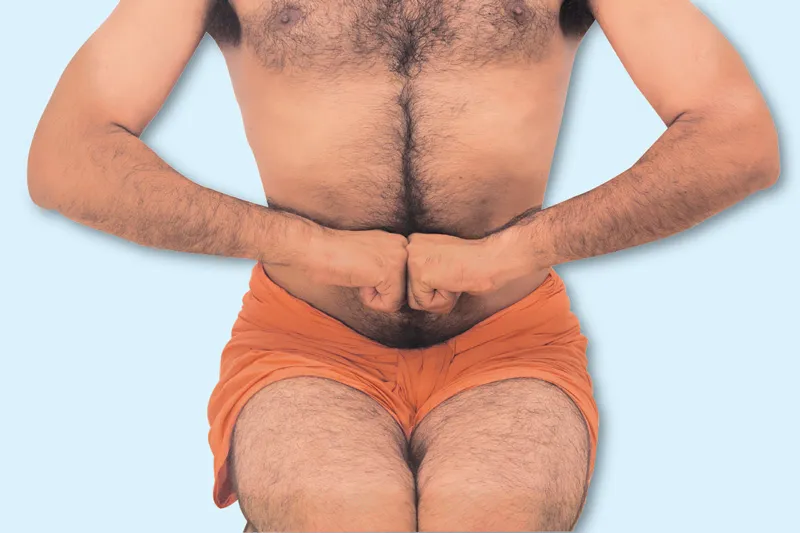
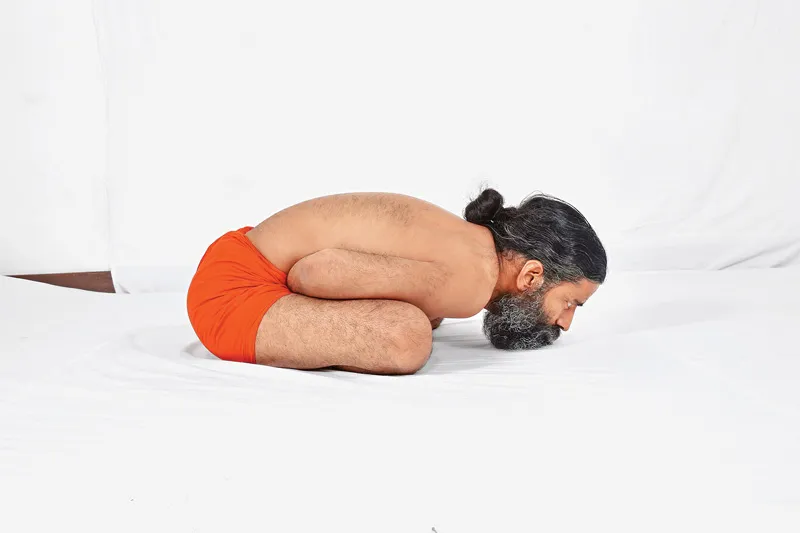
Benefit: It’s beneficial in diabetes by balancing insulin and activating pancreas. It’s useful in obesity and abdominal diseases like constipation, acidity and heart disease.
Mandukasana-2
Process: Sit in vajrasana and contract the belly by putting palm of right hand on the palm of left hand. Exhale, lean and see the front side. The process is called mandukasana-2.
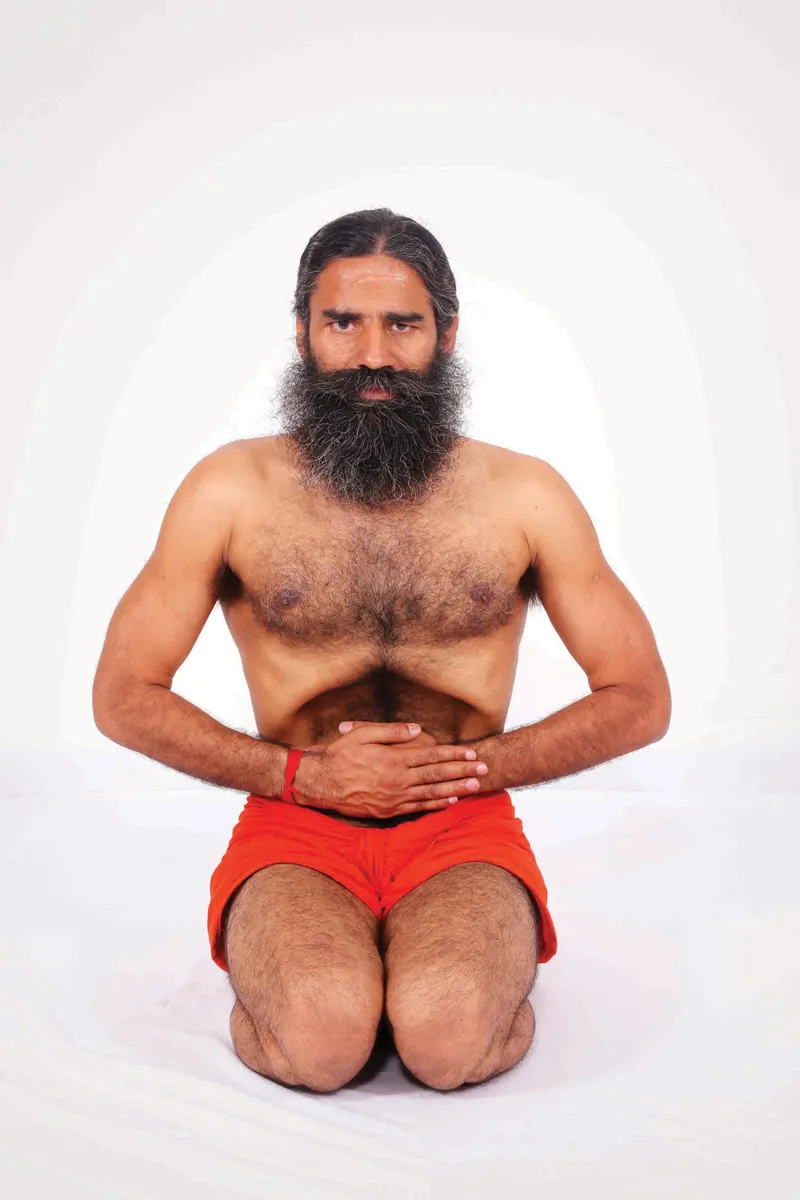
Benefit: Earlier
Shashkasana
Process:Sit in vajrasana and raise both the hands by filling air. Exhale by bowing down in the front side. Spread the hands and keep the palm at the bottom. The hands must touch the earth. The head should also touch the earth. Remain for some time in this position. Return in vajrasana. This exercise is called ‘shashakasana’.
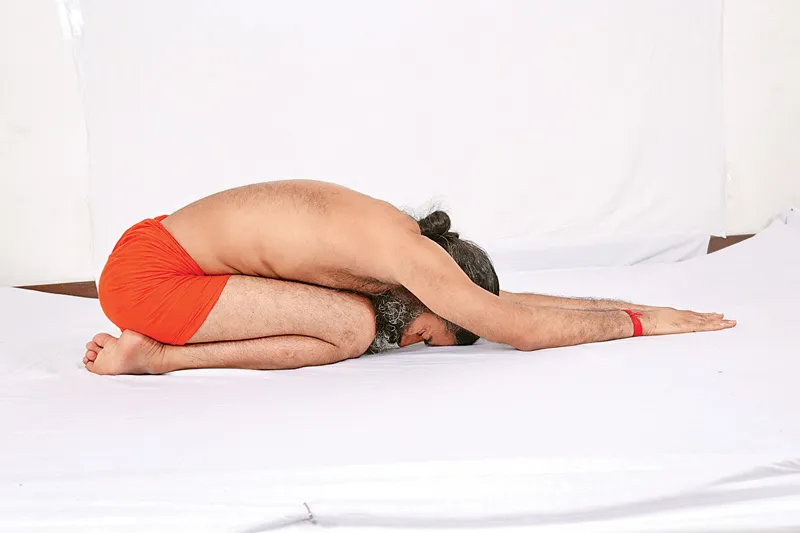
Special: Butt must touch adi. Butt must not be raised.
Benefit: Shashakasana provides energy to liver, pancreas and kidney. It boosts women’s stomach and removes fat on waist and shoulder. It also provides mental peace by removing mental tension, wrath, anxiety, etc. It’s also beneficial in bronchitis and heart diseases.
Vakrasana
Process:Sit in the dandasana and fold left leg and keep it near the knee of left jadghar. Left leg should be straight. Bring left hand between right foot and belly and keep claw of right leg. Keep right hand straight to the earth behind waist and move the shoulder in anti clock wise. Similarly, exercising from another direction is called ‘vakrasan’. It can be done four to six times.
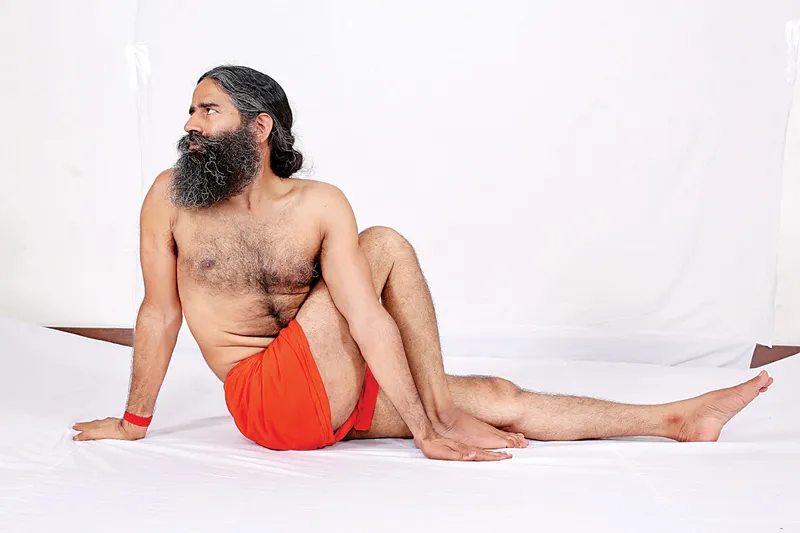
Benefit: It removes fat on waist and shoulder. It’s beneficial in diabetes, liver and spleen and waist pain.
Gomukhasana
Process: Sit in dandasana and fold the left leg. Keep it on the right butt. You can also sit on the heel. Fold the right leg and keep on the left leg so that both the knee can touch one another. Now, those leg is upper side, keep that hand at the top. Move other hand from bottom to top and crossed the fingers so that knee, shoulder and head can be straight. Repeat the process from other side. The entire process is called ‘gomukhasana’.
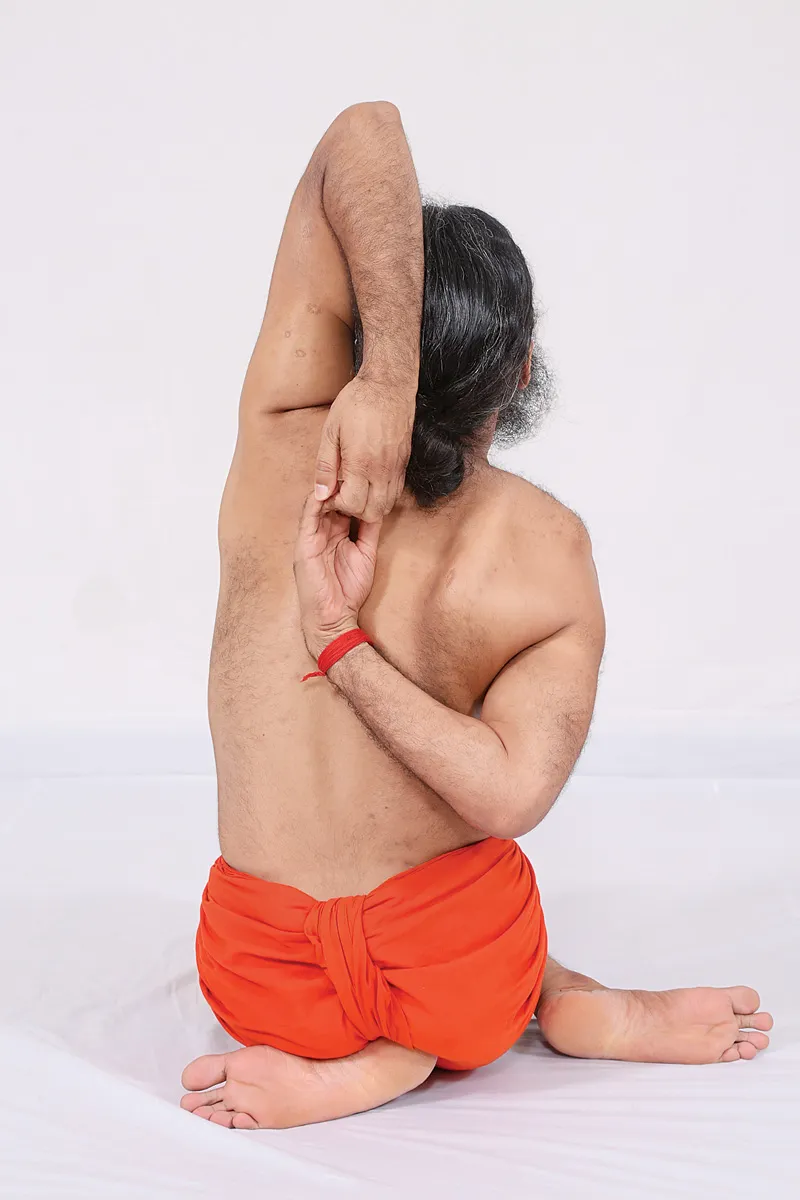
Benefit: It’s beneficial in hydrocele and sex diseases, gynaecological diseases, arthritis, etc. It boosts kidney, liver and chest.
Aasana in which belly touches the earth
Makarasana
Process: Lie down so that belly touches the earth. Bring both the knees nearer and make it like stand. Keep palm below the chin and raise the chest. Keep knee, claw and legs straight. Inhale and fold both the legs. Heel must touch butt while folding the legs. Exhale and keep the legs straight. The process is called ‘makarasana’.
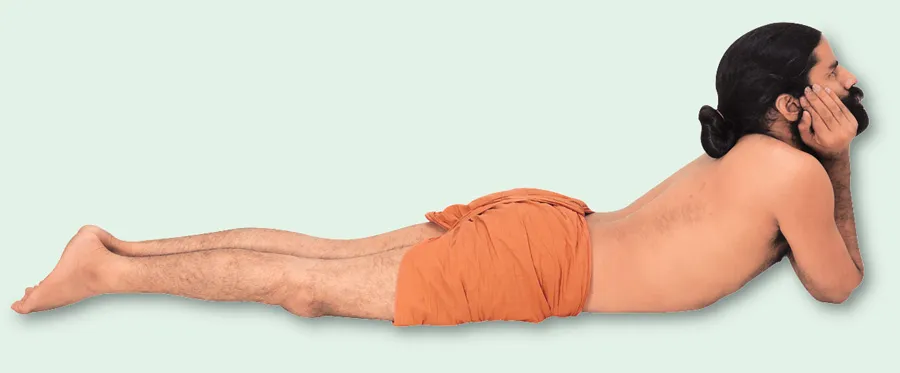
Benefit: It’s beneficial in slip disc, cervical spondylitis and sciatica, It also checks bronchitis and arthritis. It makes the legs strong.
Bhujangasana-1
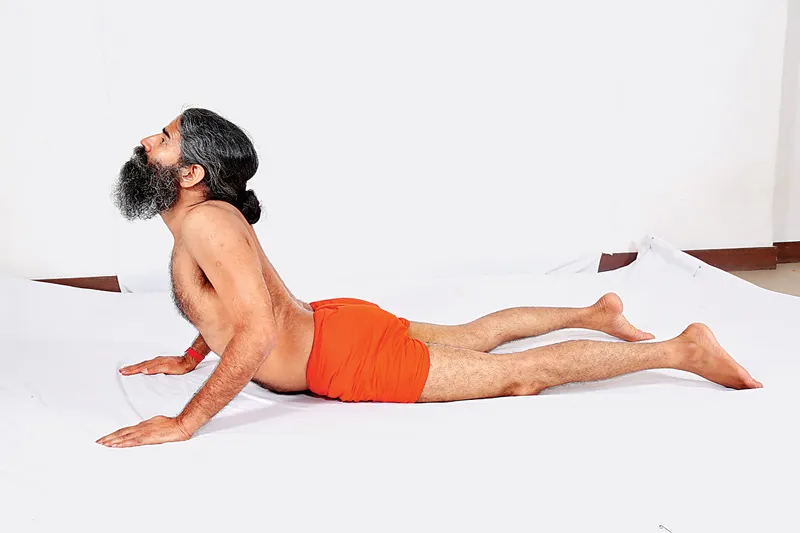
Process: Lie down so that belly touches the earth. Keep palm on the earth. Keep both the hands outside the chest. Knees and arms must touch the chest. Keep the legs straight and balance the hands. Now pull it towards yourself. Inhale and raise chest and head above. Lower part of body from navel must be on the earth. Fold head and shoulder towards yourself. Remain in this condition for 30 second. Return in earlier stage.
Bhujangasana-2
Process: Lie down so that the belly touches the earth and keep palm of left hand below the chest. Now keep palm of right hand above it. The head must touch the earth. Inhale and raise head and chest slowly. Keep heel-claw straight. Keep knees and hands straight so that part of shreni pradesh can rise from the earth. Remain in this position for some time and return in earlier stage.
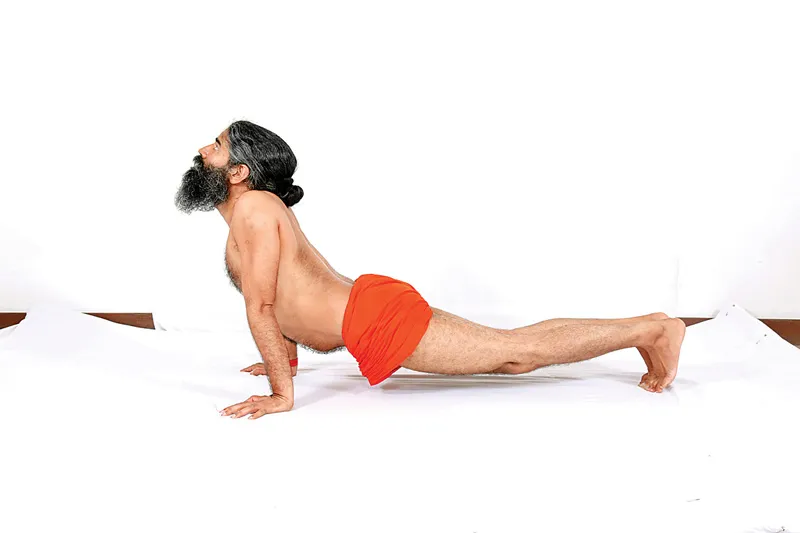
Precautions: The patients suffering from waist pain must not do this aasana. Initially, do only first process. You can do second process if backbone becomes durable.
Benefit: This aasana is beneficial in waist pain, backbone related diseases and obesity. It boosts wrist and shoulder.
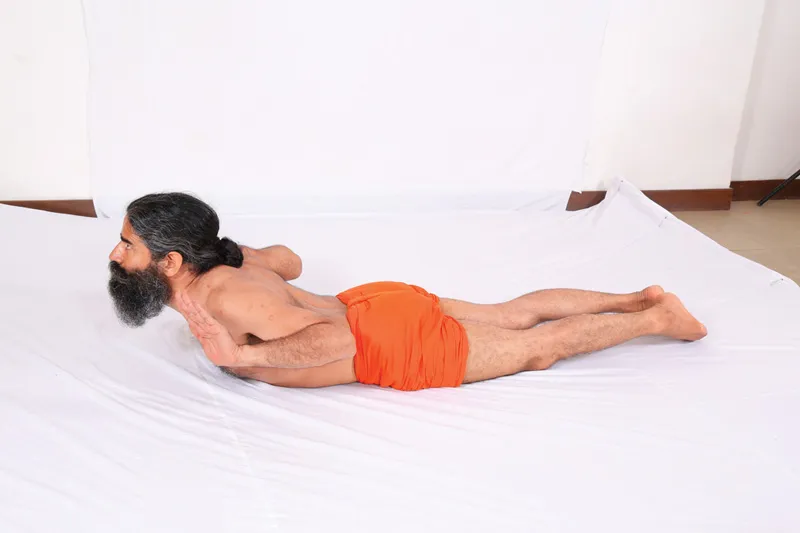
Bhujangasana-3
Process: Lie down so that belly touches the earth. Keep both the hands outside (like bhujangasana—1) and raise head and chest above. Now raise both the hands above the earth. Knee, heel and claw must touch each other and straight. Remain in this position for some time. Return in earlier position. Repeat the process three- five times.
Shalabhasana-1
Process: Lie down so that belly touches the earth. Keep both the hands below the thighs. Chin must touch the earth. Inhale and keep right leg straight and remain in this position for 10-30 second. Return in normal position and do the exercise with left leg. Keep both the legs and fold no knee. Keep palm towards either above or lower position. Raise yourself. The lower part of the body from navel will rise above the earth. This process is called ‘shalabhasana—1’.
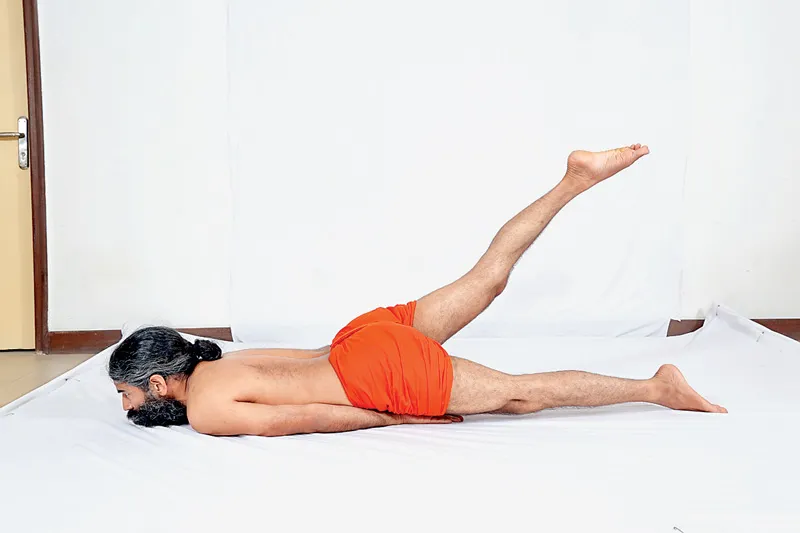
Benefit: It removes the diseases of lower part of backbone, waist pain and sciatica. It boosts lungs and removes constipation. It also checks sex diseases.
Shalbhasana-2
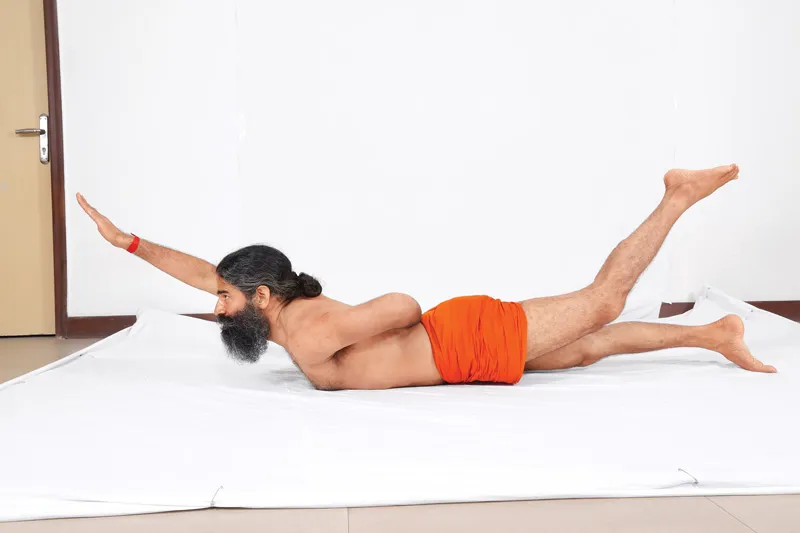
Process: Lie down so that belly touches the earth. Right hand must touch ear and head keep it straight. Keep left hand on the waist and inhale. Raise head and right hand and left leg above the earth. Remain in this position. Return slowly in the earlier position. Repeat the aasana with left side.
Shalabhasana-3
Process: Lie down so that belly touches the earth. Move both the hands behind the back side and keep them straight. Hold wrist of one another. Inhale and raise head and chest. See in the sky.
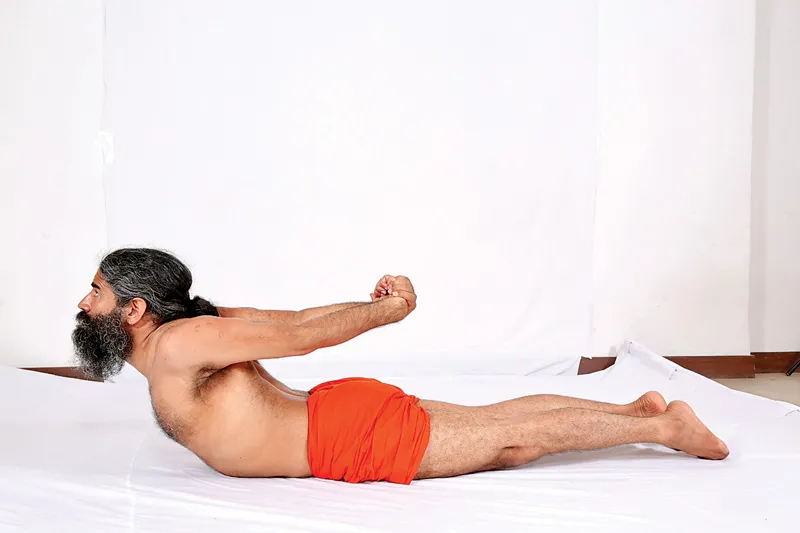
Benefit: Earlier
Aasana in which back touching the earth
Markatasana-1
Process: Lie down straight and spread both the hands parallel. Palm must be opened towards the sky. Fold both the legs and bring them near butt. Keep knees and heel nearer and touch the earth. Keep the shoulder towards left side. Repeat the aasana from left side. It’s called ‘markatasana—1’.
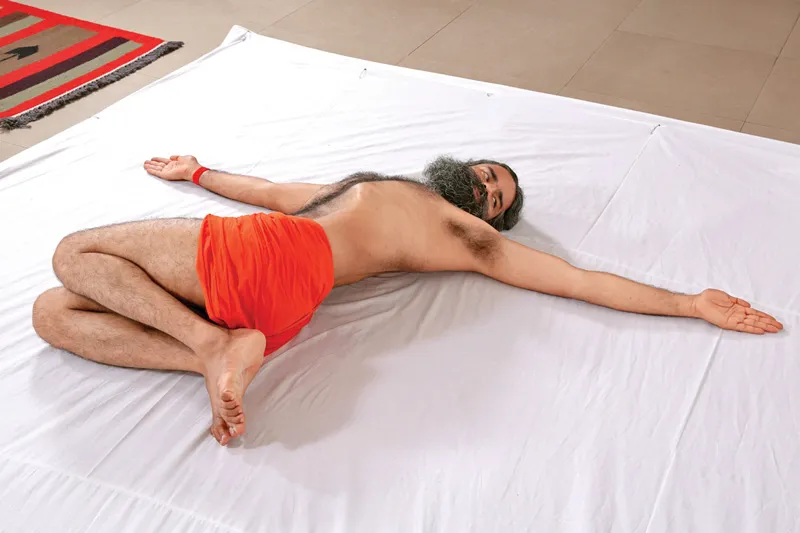
Markatasana-2
Process: Lie down so that back touches the earth. Fold both the legs from knees and keep them near butt. Keep a gap of 1.5 ft between the legs. Fold right knee towards right direction and it should touch the earth. Fold left knee so that it touches claw of right leg. Keep shoulder in left (opposite) direction. It should be in folding position. Repeat the aasana with other leg too.
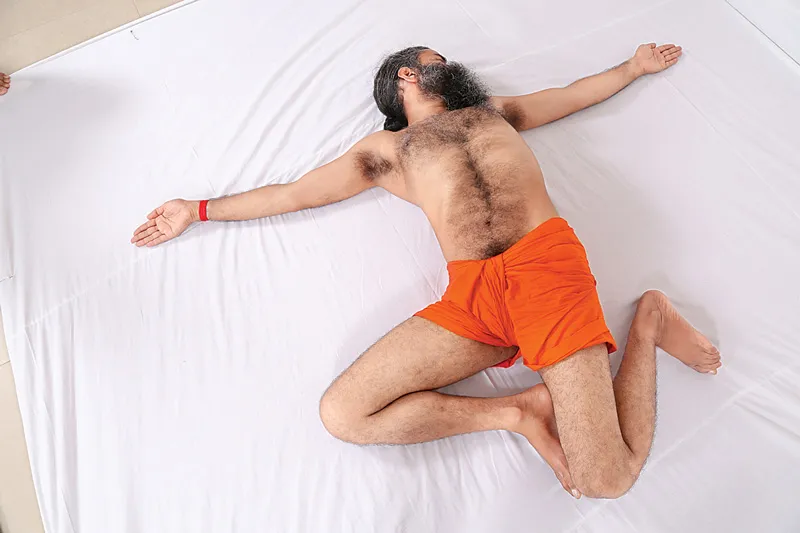
Marakatasana-3
Process: Lie down in straight direction and spread both the hands parallel to shoulder. Palm must be opened towards sky. Raise right leg in 90 degree and move it near the left hand slowly. Keep the shoulder in folding position towards right direction. Remain in this direction for some time. The leg should touch the earth at 90 degree. Repeat the aasana with left leg.
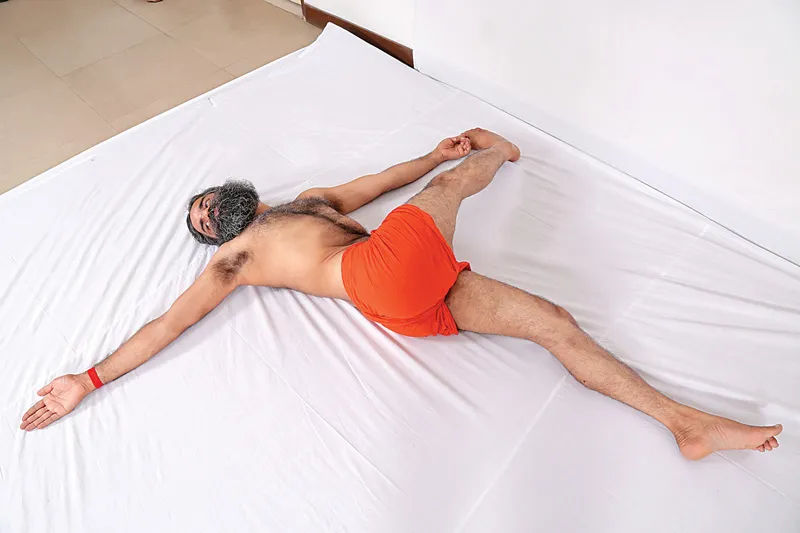
At last, move both the legs together at 90 degree near left hand towards left direction. Folding opposite direction, keep shoulder in right direction. After some time keep the legs straight. Similarly, keep both the legs near hand in right direction. Fold the shoulder towards left direction and see toward left direction.
Precautions: Those who are suffering from pain in legs should not do the aasana with both the legs together. They should do it with one leg two-three times.
Benefit: It removes stomachache, dysentery, constipation, etc. It’s also beneficial in pain in butt, arthritis, pain in waist, cervical spondylitis, slip disc, sciatica, etc.
Pavanamuktasana-1
Process: Lie down straight and bring knee of right leg near the chest. Cross fingers of both the hands and keep on the knees. Inhale, put pressure on the knee and bring them near chest. Raise the head and knees must touch nostril. Keep breath in normal position for 10-30 second. Now keep the legs straight. Repeat the aasana with other leg. This aasana is called ‘pavanamuktasana-1’.
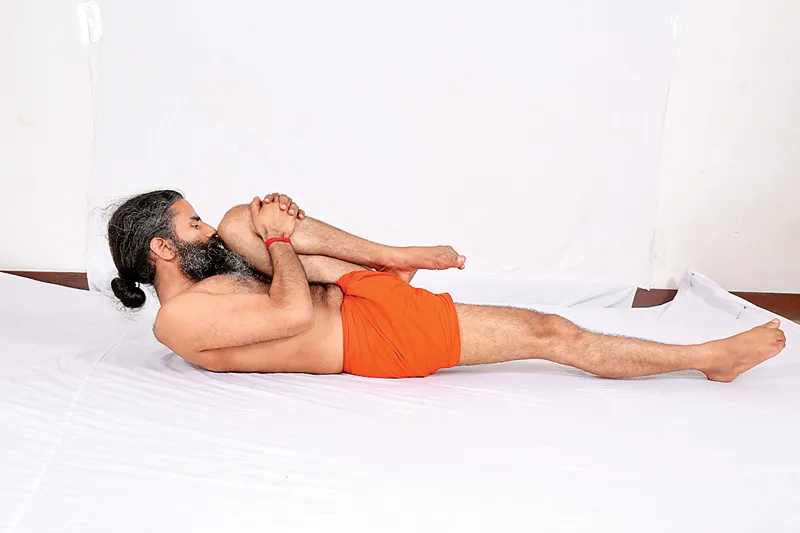
Pavanamuktasana-2
Process: Proceed with with earlier process, keep both the legs together in second condition and raise at 90 degree. Fold the knees and keep them near chest. Hold both the knees with both the hands and put pressure. Raise the head and knees must touch the nostril. Hold the breath outside and inhale in normal condition. This aasana is called ‘pavanamuktasana—2. The people are advised to do this aasana three-five times.
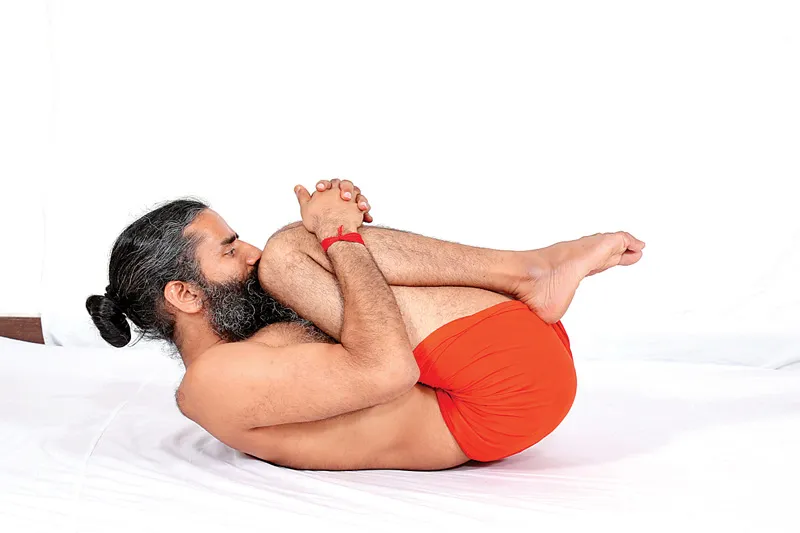
Precautions: In case of pain in the waist, avoid raising head and touching nostril. Put pressure on the legs which can touch the chest. It’s beneficial in diseases like slip disc, sciatica and waist pain.
Benefit: It checks disorder like acidity, gynaecological disease, alparttava, kashtarttava, etc. It helps the patients get rid of acidity, heart disease, arthritis, and katipira. It removes abdominal fat.
Arddhahalasana
Process: Lie down so that the back touches the earth. Palm should be towards the earth. The legs and the claw should be intermingled and straight. Inhale and raise the legs above at 90 degree. Remain in this position. Return in earlier position. Your legs should touch the earth slowly. Take rest and repeat the aasana. It’s called ‘arddhahalasana’. Do the process three to six times.
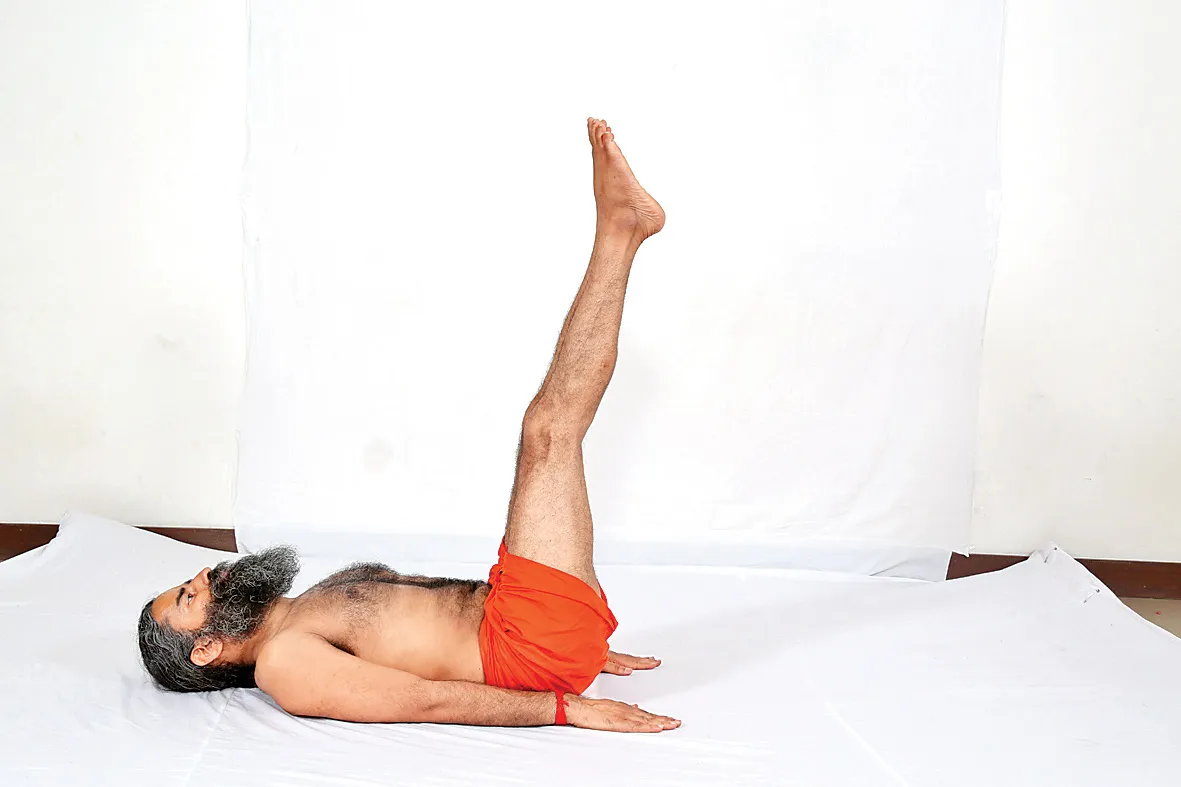
Precautions: Those who are suffering from pain in waist must not do the aasana with both the legs together.
Benefit: This aasana makes intestine strong and healthy. It removes constipation, acidity, obesity, etc. It boosts appetite. It’s also useful in navel displacement, heart disease, abdominal pain and respiratory disease. It’s beneficial in waist pain.
Padavrittasana-1
Process: Lie down straight, raise legs and make zero shape. Move it in clock wise direction for 5-10 times. After moving in one direction, move the leg in anti-clock wise in circular direction. Then do the aasana with other leg. This aasana is called ‘padavrittasana-1’.
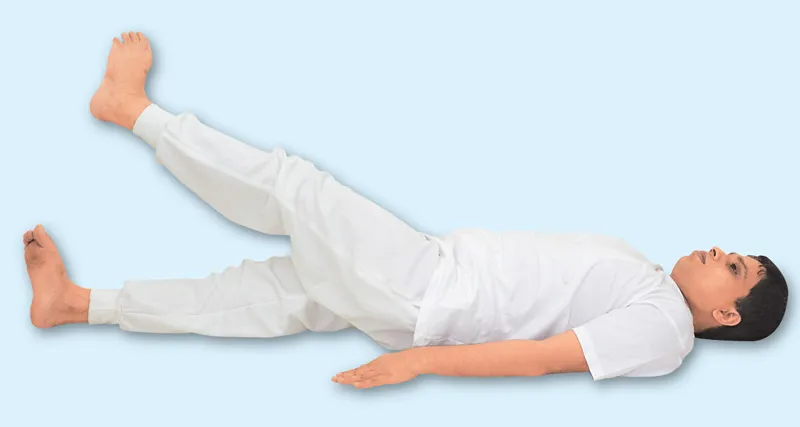
Padavrittasana-2
Process: After completing the process with one leg, do the aasana with both the legs together. Move the legs left-right and above and lower as long as you can. The process of moving both the legs in clockwise and anti-clockwise is called ‘padavrittasana.
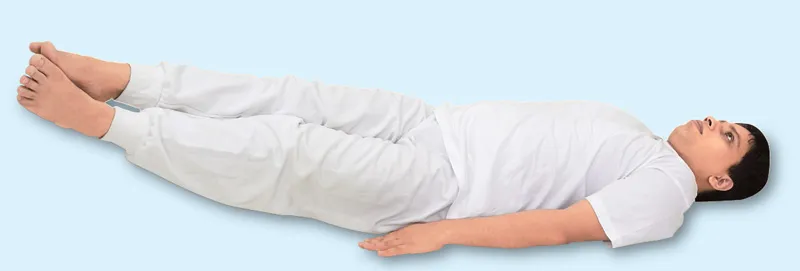
Benefit: It removes disorders in thigh, butt and waist and makes belly round and light. It’s useful in balancing body.
Dwi-chakrikasana-1
Process: Lie down so that the back touches the earth, keep claw of hands under the butt and hold the breath. Now raise one leg above and fold heel and move it near butt (like cycle). Similarly, repeat the aasana with other leg. Move heel without legs holding the earth. The legs must become circular. The entire exercise is called ‘dwi-chakrikasana-1. Repeat the process 25-30 times. Do the aasana in opposite direction too.
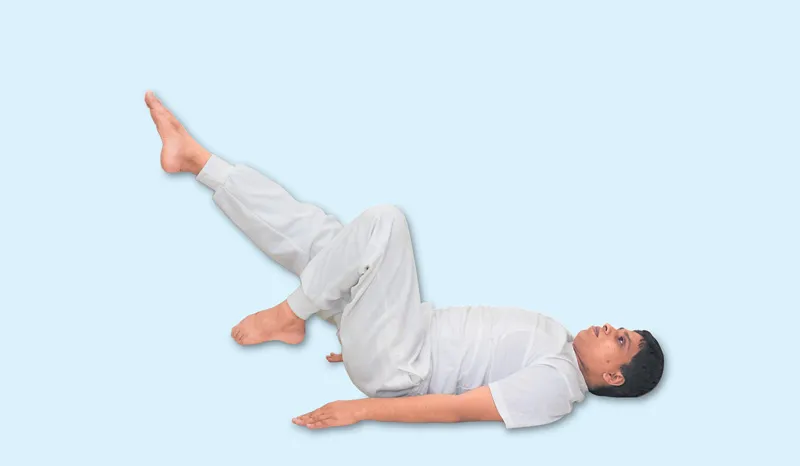
Dwi-chakrikasana-2
Process: In the second phase of this aasana, fold both the legs from knees which can touch the chest. Inhale and move both the legs in clockwise direction (like cycling). Repeat this process in anti-clockwise direction is called ‘dwi-chakrikasana’.
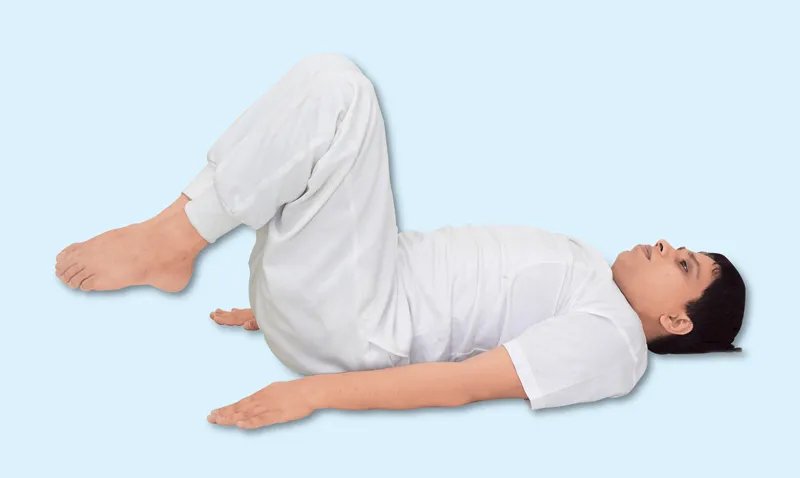
Precautions: The patients suffering from waist pain, heart disease, high blood pressure and hernia must not exercise second phase of the aasana.
Benefit: It checks obesity. Do this aasana 5-10 minute daily to get rid of overweight. It makes belly round in shape and activates intestine. It removes constipation, acidity, indigestion, dharan, etc. It purifies blood in the body.
Everybody can lead a happy life by including these aasana in his/her daily routine. Let’s take pledge to do so.
लेखक
Advertisment
.jpg)