

Pranayam is the fourth part of ashtang yoga proposed by Maharshi Patanjali. Pranayam depicts ‘pran’ and ‘aayam’. Pran means the air in the body and the aayam means control. Therefore, paranayam means to control breath process in the entire body. It makes body healthy. Earlier, doing pranayam needs massive effort, but Yogarishi Pujya Swami Ramdev has made it easy to practise. Today, yoga became an inherent part of the healthy lifestyle. The eight paranyam and how to practise it are given below: |
Common rules of pranayam
-
The place where pranayam is practised should be clean and airy. Practising yoga in the open sky and on the bank of river and ponds is considered as the best.
-
Light the lamp and use scented incense stick before practising yoga at polluted towns.
-
Sit on blanket, dari, bed sheat, rubber mat for practising yoga.
-
Keep back bone straight in Siddhasan/Sukhasan and Padmasan for pranayam. The people can also practise pranayam while sitting in the chair.
-
Keep shoulder, back bone, chest and waist straight while doing pranayam.
-
The people are advised to take proper diets and behave like gentlemen. Always take vegetarian foods like fruits, fruit juice, green vegetables, milk and ghee etc.
Bhastrika-pranayam
Process: Keep waist, shoulder straight in dhyanatmak aasana and fill the air in both the nostrils (mahaprachira peshi) and exhale slowly is called ‘bhastrika pranayam. Inhale in 2.5 second and exhale in the same time initially so that you can practise sixty times in a frequency of five minute of twelve times in one minute (12x5=60).
In case of cough or sinus, do rechak and purak through left nostril by closing right nostril and vice versa. At last, do bhastrika pranayam through rechak with ida and pingala and purak with the help of nostrils. It’s also called diaphragmatic deep breathing.
Precautions:
-
The patients suffering from high blood pressure, bronchitis and heart diseases are advised not to practise bhastrika with fast speed.
-
The abdomen must not fill with air while inhaling during this pranayam. Fill the air only in the diaphragm so that only chest can fill with air.
-
It creates heat in the body. Therefore, do bhastrika pranayam slowly in the winter season.
Benefit:
-
Bhastrika pranayam lessens reaction time.
-
It checks cough, cold, allergy, respiratory diseases, bronchitis, sinus etc. It boosts lungs, heart and brain by pumping clean air.
-
It purifies blood. Tridosh is sama. It helps in pranotthan and kundalini jagran.
Kapalbhati- pranayam
Process: Rechak is focused in the kapalbhati. No effort is made for purak. Concentrate on exhaling. It brings akunchan and prasaran in the abdomen. Take one second each for exhaling and inhaling. Therefore, there are sixty times and three hundred times of kapalbhati in one minute and five minute respectively. A frequency of kapalbhati must be of five minute.
The healthy person must do kapalbhati for 15 minutes. There are 900 times of paranayam in three frequencies in 15 minutes. The patients suffering from cancer, aids, diabetes, depression and chronic diseases must practise kapalbhati for 30 minutes twice daily.
Precautions:
-
Practise it after three to six months of abdominal operation.
-
Avoid it during pregnancy, ulcer, internal blood secretion and menstrual cycle.
-
Blood pressure gets increased due to activity of sympathetic nervous system when the people exercise it with the speed of 120 breath per minute.
Benefit:
-
It checks obesity, diabetes, constipation, kidney and prostate diseases and obstacles in blood vessels. It also helps the patients get rid of depression, emotional imbalance, negativity and all the mental diseases.
-
It boosts pancreas, stomach, liver, pleeha and intestines.
-
Electroencephalography shows that it accelerates beta and theta during kapalbhati but at the same time, after kapalbhati activities of alpha and beta get slower.
-
Kapalbhati makes no change in heart rate variability in the heart beat.
-
When the people practise it with speed of 60 breaths per minute, then blood pressure doesn’t get increased due to inactivity of sympathetic nervous system.
-
Kapalbhati needs 41.2 percent more energy. Carbohydrates provide maximum energy. Therefore, practise kapalbhati properly to check obesity.
-
After the practice of kapalbhati, there was no change in brain blood flow. It means that kapalbhati increases no blood flow in the brain. Therefore, there is no apprehension of any stroke while practising it.
-
It boosts concentration.
-
It checks hypertension, diabetes. The patients must get blood sugar level and blood pressure tested.
-
It helps the students in controlling their mind.
Outer pranayam
Process: Sit in the siddhasan or padmasana properly and exhale. Do mulabandha, uddiyana bandha and jalandhara bandha to keep breath outside as long as you can. Inhale slowly while removing bandha. After inhaling, complete breath process without stopping it. Inhale in 3-5 second and exhale in 3-5 second and keep the breath outside upto 10-15 second. The people are advised to practise it uninterruptedly. Therefore, three-five times outer pranayam gets completed in two minute. The people are advised to practise five times outer pranayam.
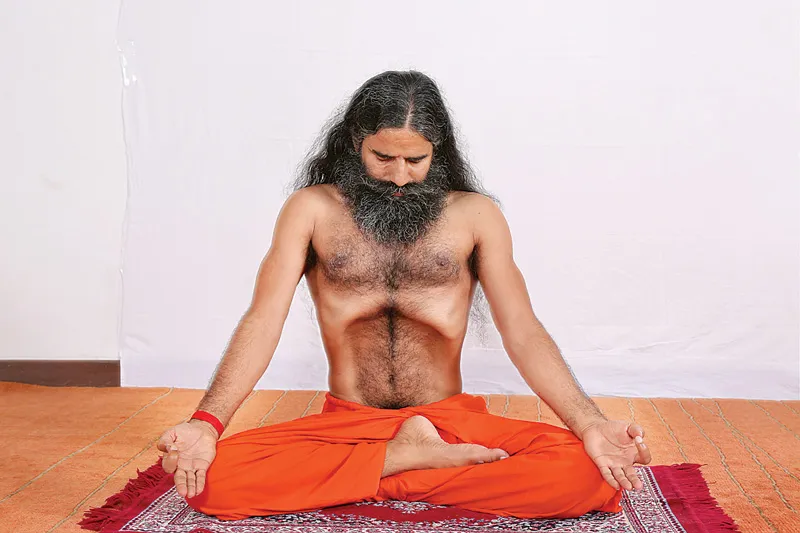
The people suffering from sex diseases are advised to practise it eleven times. Those who are eager for kundalini jagaran can do it twenty one times. It proves beneficial in all the gynecological diseases like infertility, leukorrhea etc.
Precautions:
-
The patients suffering from low blood pressure and heart diseases must not practise it.
-
The patients suffering from headache, migrain should also avoid it.
-
The people should practise other pranayam before doing it. It’s of superior category yoga practice.
Benefit:
-
Outer pranayam needs more energy due to excessive use of oxygen.
-
When time period of kumbhak is more than that of purak and rechak, the use of oxygen in the body lowers down by 99 percent. It boosts life span of all the animals.
-
When time period of outer kumbhak is lower than that of purak and rechak, then the oxygen consumption gets increased by 52 percent. Excessive consumption of oxygen indicates excitement.
-
It checks piles, fistula, fissure and other sex diseases like night fall and premature ejaculation.
-
The intellect is sharp. It boosts celibacy and kundalini jagaran.
Ujjayai - Pranayam
Process: Contract the throat by doing puraka through both the nostrils while sitting in meditational aasana. When the air goes inside by contracting throat, throatcreates sound like snoring. During this pranayam, do rechak through left nostril by closing right nostril. Initially, avoid using kumbhak and do purak-rechak. Slowly, increase the time period of kumbhak. Do jalandhar bandha and mulabandha if you want to do kumbhak over 10 second.
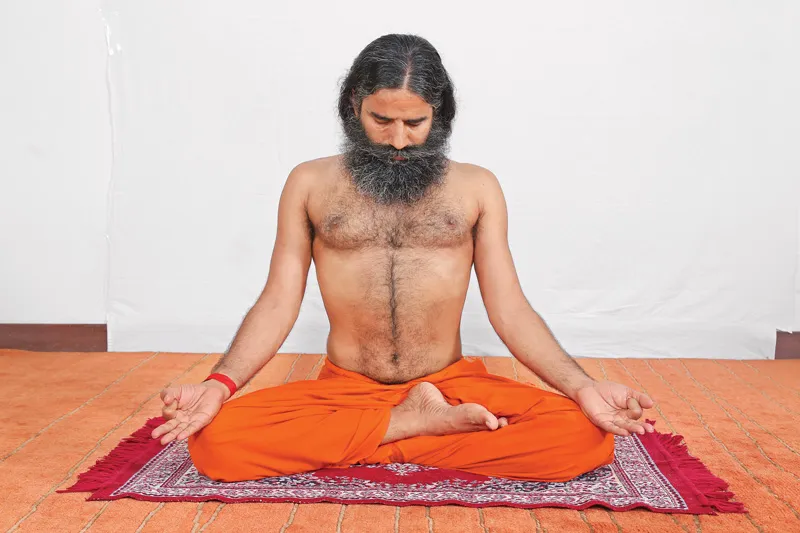
Note: Take precautions related to paranayam.
Benefit:
It checks the diseases like thyroid,snoring, tonsil, sleepania, cardiovascular and kanth diseases, indigestion, rheumatism dropsy, fever. It brings sweetness in the sound. It’s helpful for singers. It also checks stammer and stutter.
Anulom-vilom pranayam
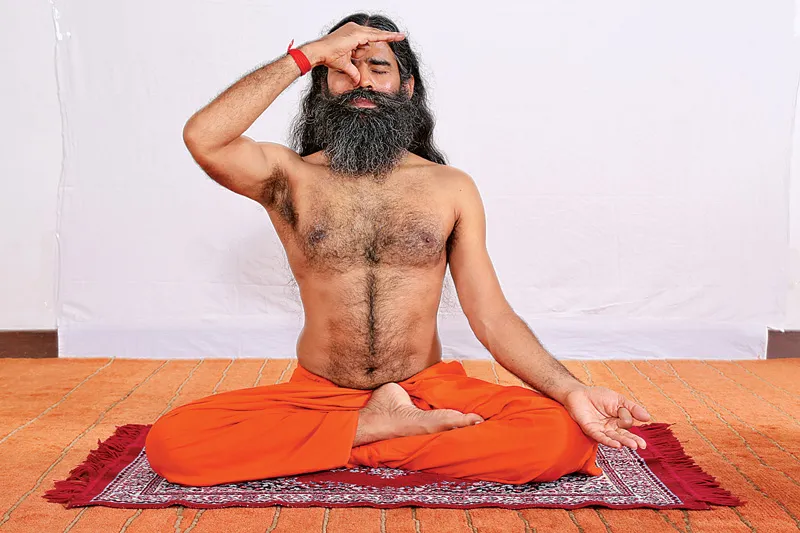
Process: Keep waist, shoulder and head straight in any meditational aasana. Keep left hand on left knee, make parnayam pose with right hand, close right nostril with thumb. Inhale deep and slowly with left nostril. After filling full breath, close left nostril with madhyama and anamika fingers. Exhale through right nostril by removing thumb. Do puraka through right nostril slowly and rechak through left nostril. It completes one frequency. Repeat it uninterruptedly. Ida nadi (left sound) is symbol of som, chandrashakti or peace, therefore, start anulom-vilom pranayam through left nostril.
-
Inhale through left nostril in 2.5 second and exhale it through right nostril without stopping it. Again inhale through right nostril in 2.5 second and exhale it through left nostril in 2.5 second without stopping it. This completes a frequency or circle. Practise the pranayam for five minutes.
-
Practise the prana through anulom-vilom repeatedly. Healthy persons are advised to practise it for 15 minute.
-
The patients suffering from cancer, psoriasis, muscular dystrophy, migrain etc. must practise this pranayam 30-30 minutes twice daily.
Benefit:
-
It purifies 72,72,10,201 nadi present in the body. (Prashnopnishad—3.6)
-
The practice of 20 minute of anulom vilom lessens systolic and diastolic pressure in the heart in the healthy persons.
-
It increases focused and selective concentration and visual scanning.
-
It increases hand grip strength due to oxidation of glucose.
-
This pranayam lessens psychological tension in the human being.
-
Attention Deficit Hyperactivity Disorder (ADHD) helps boost memory power.
-
This pranayam checks Carpel Tunnel Syndrome.
-
The patients suffering from rheumatoid arthritis, chorea, snayu weakness, depression, OCD, schizophrenia, dementia get relief through this pranayam.
-
It also checks diseases like cholesterol, triglycerides, blockage in veins and heart diseases.
-
It’s beneficial in Spatial Memory Loss.
Bhramri - Pranayam
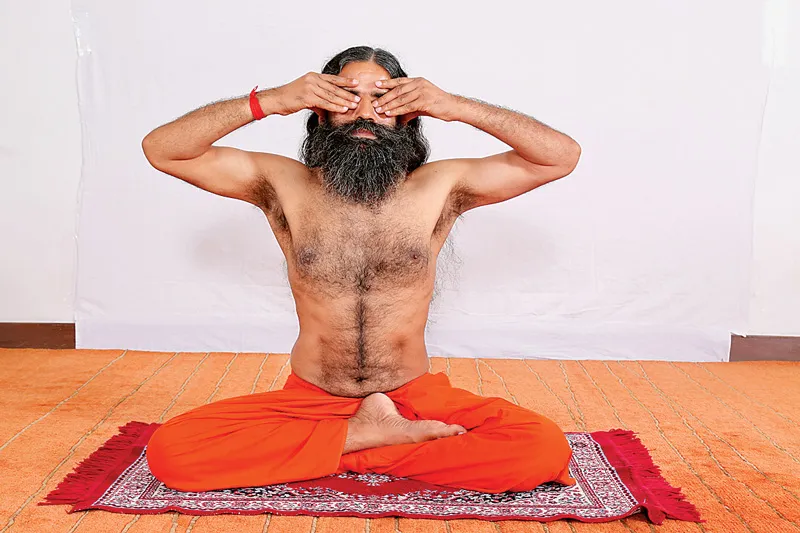
Process: Sit in meditational pose and fill the air. Put pressure on the eye near the nasal through madhyama fingers. Concentrate on the third eye. Close both the ears by fingers. Exhale by pronouncing oum by chanting bhramar. Repeat the frequency. Fill the air in 3-5 second and close ear, eye etc. Exhale in nad form in 15-20 second. After completion of bhramari, repeat it. Everybody must do five-seven times pranayam. The patients suffering from cancer, parkinson’s, depression, migraine and chronic diseases can practise 11 to 21 times of bhramari pranayam.
Precautions:
The sound of nad should be as sweet as bee. Avoid excessive pressure on the eye.
Benefit:
-
Bhramari paranayam lessens pulse rate in nadi. The formation of metabolites of adrenalin and nor adrenalin gets lessened. It boosts skin resistance power.
-
It helps in anxiety neurosis and panic disorder.
-
It’s beneficial in mental diseases like migraine, mental excitement etc. It brings peace in the life of people.
Udgith - Pranayam
Process: Fill the air in 3-5 second and pronounce sacred oum. Exhale in 15-20 second. Repeat it.
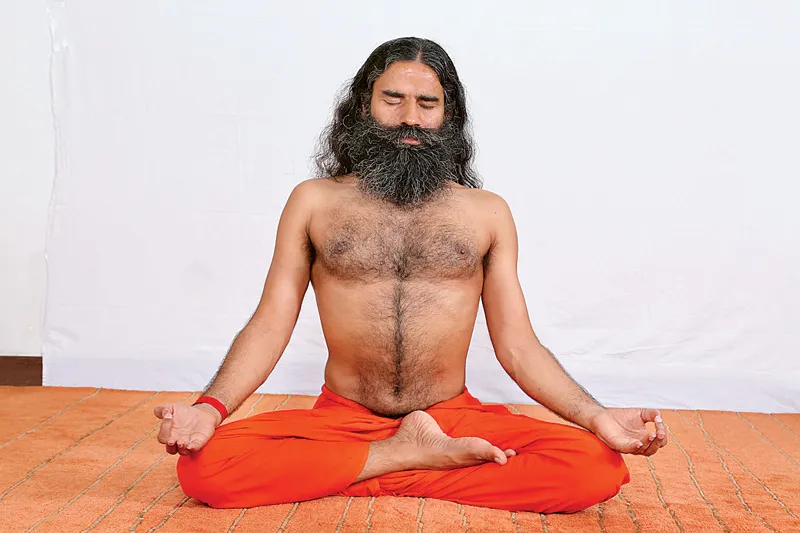
Everybody should practise this pranayam seven times in 1 frequency of three minute. The patients suffering from chronic diseases can exercise this pranayam.
Benefit:
-
It lessens pulse rate of nadi, breath rate and oxygen consumption and sweating. It also checks tension.
-
The patients suffering from chronic diseases get relief through this pranayam.
-
The people facing tension, disappointment etc get benefitted.
-
It’s beneficial for meditational seekers.
Pranav paranayam or onkar meditation
Process: After doing all the aforesaid pranayam, concentrate on exhale-inhale and meditate on udgeeth ‘om’ with pran. This body and entire universe are filled with onkar which is neither a body nor a shape. It’s a divine power which controls the entire universe. Watch exhaling and inhaling slowly. Slowly, it will take one minute to complete exhale and inhale. Initially, the people can experience touch of breath on the nostril.
The people can experience deep touch of breath. Be a watcher of breath going inside and outside the nostril. It boosts meditation. Your mind will concentrate on onkar. You can also chant great gayatri mantra apart from pranava. Therefore, the seekers can get bliss and enlightenment through meditation.
Benefit:
The people can do this meditation before going to the bed. Their sleeplessness becomes divine.
लेखक
Advertisment
Latest News
01 Dec 2024 18:59:48
योग प्रज्ञा योग - योग जीवन का प्रयोजन, उपयोगिता, उपलब्धि, साधन-साधना-साध्य, सिद्धान्त, कत्र्तव्य, मंतव्य, गंतव्य, लक्ष्य, संकल्प, सिद्धि, कर्म धर्म,...

.jpg)