

Since ancient times, honey has been used in all the civilizations of the world for sweetening food items and for medicine. Its proof is found in ancient inscriptions and ancient texts such as Vedas, Quran, Bible etc. According to the Ayurvedic system of medicine, a person is healthy when there is a balance between the three basic elements of his body, Vata, Pitta and Kapha. Every person has a unique combination of these three, honey helps in restoring this Tridosha to its balanced state. In Ayurveda, honey is used internally and externally for nutrition and treatment. It is also used as anupaan (a substance that is taken after medicine or food which helps in digestion). The policy of 'Sweet Revolution' was implemented by the Government of India in 2020, which promotes honey production and beekeepers. Patanjali is a leading brand in the field of honey globally, which meets the challenges of quality and food safety. At present, we understand honey as antiseptic, anti-bacterial, anti-inflammatory, anti-tumor, prebiotic, probiotic, anti-oxidant, anti-cancer, and immunomodulatory agent and this is also being certified by various researches. Around 300 different types of honey are made by bees all over the world. All these types of honey have been found to be different in their taste, color, various chemical components, physicochemical properties, health promoting properties. However, some major chemical components are also found similar in all types of honey, due to which honey is used in various medical practices all over the world. Today, we also know honey as functional food for its medicinal properties. The list of functional food includes those substances that provide health benefits and are also rich in nutrition. In some ways, these substances are found naturally, such as honey. Apart from this, there are supplements designed to improve health which contain other additional ingredients such as fortified flour in which Patanjali has added various minerals and iron along with wheat. Iron has also been added to salt to prevent the effects of anemia.
What is honey?
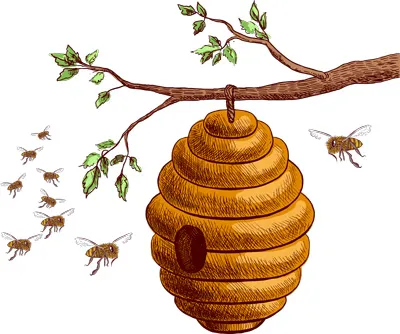
In simple language, honeybees (Apis species) consume pollen/flower nectars and store them in their bodies and make honey through various processes and store it in their hive, which is used to extract honey as per the time. Therefore, as many types of flower nectars are consumed, that many types of honey are available globally. Here we identify honey as blossom honey (unifloral and multifloral). If there is only one type of pollen (>yz%) available in honey, then it is called unifloral. In India, unifloral honey is mainly found in mustard, litchi, acacia, sunflower, eucalyptus etc. However, mostly honey with mixed pollen grains is found, mainly multiflora Himalayan honey, wild multiflora honey and Sundarbans multiflora honey. Due to different types of pollen grains in this type of honey, there is a difference in its taste, colour etc., which is a tough challenge for any producer to maintain its quality. The physical characteristics, chemical composition and medicinal properties of honey mainly change according to the nectar taken by the bee, different geographical locations, climatic conditions etc., different extraction methods, processing, packaging and preservation techniques. According to these parameters, the quality standards of honey are controlled. Honey collected commercially or locally can be further processed and packaged and it is also classified accordingly. The major ones among these are - comb honey, crystallized honey, pasteurized honey, filtered honey, ultrasonicated honey, creamed honey, dry honey, bakers honey etc. which are used all over the world to make many types of food items. Apart from blossom honey, there is another type of honey which we also know as honeydew honey. This is not flower honey but it is the product of two types of insects. These insects like Drumuuka, Aphid, various other insects use the sweet liquid found on the bark and leaves of trees to produce a sticky liquid called honeydew and it is collected by bees living in remote forests and is known as honeydew honey. In India, it is mainly obtained from clean, natural and pollution-free areas of Kashmir and Himachal Pradesh.
Honeydew honey contains more amino acids, proteins, minerals, vitamins than regular honey and has high antioxidant, antibacterial activity and medicinal benefits.
Apart from honey, the wax that comes out from the honeycomb is soft, pleasant, insect-killing, wound healing and good for bones and cartilages. It has been found beneficial when applied in the form of ointment in vata disorders, leprosy, snakebite, vipadika etc.
Sanskrit synonyms
Madhu, Madvika, Kshoudra, Sarada, Makshika, Vantha, Varati, Bhringavanta, and Pushparasodbhava.
Madhu (Honey) according to Ayurvedic texts
Sushruta Samhita is an ancient text of Ayurveda which describes various diseases of human body, their symptoms, and ancient principles of their treatment. Eight types of honey have been described in this text. Pautik - It has dry, hot and energy enhancing properties. Pautik Madhu is produced by large types of bees, its color is similar to ghee and has harmful effects on Vata, Pitta and blood. Bhramar Madhu - It is white in color produced by Bhramar bees. This type of honey is described as heavy (not easily digestible-Guru), it has excessive stickiness and more sweetness. Kshoudra - Its quality is light (easily digestible) and it has cold and anti-flatulence properties. Makshik- This is the best honey, its colour is similar to sesame oil. It is produced by red coloured honey bees and is specially used for cough and asthma. Chhatra (Chatra)- This honey becomes sweeter after digestion. This honey is also heavy (Guru), its quality is cold and it is very sticky. It is mainly given in bleeding, leucoderma, urethral discharge and worm infection. Auddalak- This honey becomes pungent (katu) after digestion. It is good for eyes, eliminates kapha and pitta dosha, it provides taste and is beneficial for voice. It is also used as a treatment for skin diseases. Daala- This honey is of subtle quality and is used to control vomiting and diabetes. However, according to Charak Samhita, there are four types of honey such as Makshik, Bhramar, Kshoudra and Pittak. Kshudra Madhu is brown in colour and is produced by a small type of bee. Apart from this, according to Ayurveda, honey is of two types based on its properties - Navin Madhu (fresh honey) and Purana Madhu (old honey). Honey which is fresh or recently collected is Navin Madhu. It provides nutrition, increases body weight and acts as a mild laxative. When the honey becomes old (about 1 year after honey collection) then it is called Purana Madhu. It is drier than Navin Madhu and acts as an absorbent and reduces body fat. Thus, body weight also reduces. Hence, old honey is better for the treatment of patients suffering from obesity. Charaka has called Madhu as Kashaya-Madhur, Ruksha, Guru, Sheet, Raktapittahar, Kaphashamak, (manage Khapha imbalance) Vatavardhak (increase Vata in body), Chedan. According to Sushrut, mature honey removes the contaminated tridosha and is called tridoshashamak, whereas unripe honey irritates the tridosha and tastes sour. Honey should not be heated because its consumption after heating has a toxic effect. For this reason, its use with hot liquids, in hot weather and in people suffering from heat-related diseases is prohibited. Vomiting is an exception to this because in it it comes out of the body, hence it does not get a chance to cause toxic effects. But in Unani medicine, hot honey is used for some preparations. Cold honey should always be preferred over natural honey. Like other liquids, honey is also adulterated. Usually various types of artificial sugars are added to it. At present, a comprehensive campaign is being run at national and international level to prevent adulteration in honey and ensure its authenticity. Under this, adulteration is detected by testing various types of quality standards.
Properties of honey according to Ayurveda
Its properties depend on the source of nectar absorbed by the bees and the species of the bee.
Color - yellowish to blood brown or blackish
Rasa (taste) – Madhur (sweet)
Anuras (taste) – Kashaya (astringent)
Qualities - Short, light to digest; Vishada (clarity) – Ruksha (dryness)
Vipaka (taste change after digestion) – Madhura (sweet)
Virya (Shakti) - Ushna (hot) although some people consider it Sheetal (cooling)
Effect on Tridosha – Balances Kapha and Pitta doshas.
* The grade of honey is determined according to its colour, smell, taste and concentration.
Medicinal use of honey according to Ayurveda
Honey is also used as a main medicine in Ayurveda such as it is applied externally on eye diseases, physical injuries, burns, skin disorders, internally it is used with other herbs such as cough (kasa), asthma, respiratory disorders, bleeding disorders, excessive thirst, vomiting, hiccups, diarrhea, stress, headache, abdominal disorder, jaundice, dysentery (diarrhea), high blood pressure, bed wetting in children, teething problems etc. Special benefits have been found by drinking decoctions prescribed for obesity and diabetes mixed with honey. In Ayurveda, honey is used for beauty- for smoothness of the skin. Combination of honey with ghee in equal quantity is also prohibited, but their combination in odd quantity is very beneficial.
‘Chakshushyam chhedi trtsheshmadishadhidhamasradittanut.
Ruksham kashayamadhuram, tattulya madhushaki ra.’
This shloka is from Ashtanga Hridayam, (the primary ancient text of Ayurveda) which tells us that Madhu (or honey) is very good for eyesight and can also quench our thirst for drinking water. If water is not available to drink, then consuming Madhu is also beneficial.
Chemical composition
Honey is a concentrated liquid and every type of honey mainly contains more than 200 bioactive compounds which are responsible for its physico-chemical properties as well as its color, taste and other properties. Generally, all types of honey contain carbohydrates, proteins, amino acids - proline, vitamins such as B1, C, B6, B12, minerals such as calcium, phosphorus, copper, manganese, iron, polyphenols, flavonoids, organic acids. However, their quantity and their different types depend on the floral nectar extracted by the bee and different physical and natural climates.
Therapeutic Properties of Honey
Honey mainly acts as anti-cancer, anti-inflammatory, anti-tumor, prebiotic, probiotics, antiseptic, antioxidant, anti-diabetic, for heart health (cardioprotective), immunomodulatory agent. Research is going on all over the world on the various therapeutic properties of honey, which strongly proves our traditional Ayurvedic system of medicine.
Patanjali Honey
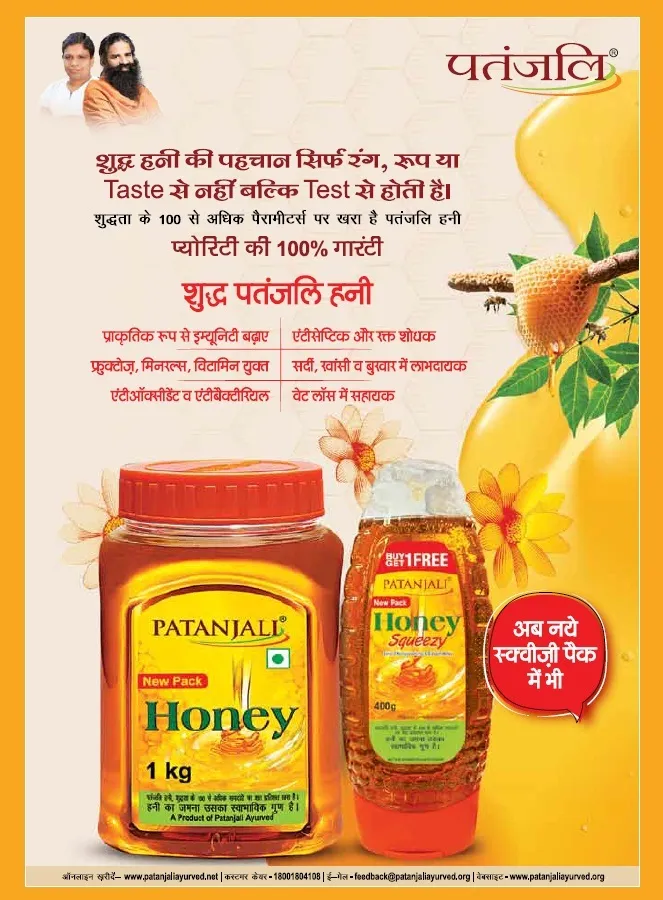
Patanjali Honey occupies a leading position with quality in the field of honey. During its production (from processing to packaging), it undergoes more than 100 quality tests to maintain its quality and authenticity. The purity and traceability of Patanjali Honey is ensured. In this direction, the Sumadhu app by Patanjali Research and Yoga Institute has been playing an important role. This app has received the first prize from the National Level Seminar on Beekeeping (Organizer- National Institute of Micro, Small and Medium Enterprises (NI MSME), Hyderabad, Telangana and National Bee Board, Government of India) for using Artificial Intelligence (AI) based technology to maintain the quality and purity of its honey. This is a major step taken by Patanjali to be a part of the beekeeping revolution and contribute to the sustainable growth of the honey production business. Patanjali Honey has antiseptic properties due to which it helps in healing injuries and wounds and also protects the body from inflammation. Its consumption keeps the heart healthy as it helps in controlling the amount of sugar and cholesterol in the blood. Consuming it gives instant energy because it contains high amount of fructose sugar which instantly provides energy to the body. Regular use of Patanjali Honey infuses new energy in you. Various food items of which honey is a prominent place, are being produced by Patanjali through scientific and authentic methods, passing through various national and international quality standards, providing health benefits to people not only in India but also in almost all the countries of the world and through which the dream of our Yogrishi Swami Ji Maharaj and Ayurveda Shiromani Acharya Ji 'Om Sarve Bhavantu Sukhinah Sarve Santu Niramayaah' is fulfilled. Jai Patanjali Jai Hind. (This article is mainly for basic information, it should not be considered as medical advice)
लेखक

Advertisment
Latest News
01 Mar 2025 17:58:05
With divine inspiration, I want to draw your attention towards 11 important facts. I am sure that you will