

Food is important for us for many reasons, which provides us with the energy required for day-to-day activities along with work. Food strengthens bones and muscles. It repairs damaged cells of the body and enhances immunity by protecting from external harmful elements, improving physical development. Food provides a kind of satisfaction which is essential for our mental health. Every age group should have knowledge of balanced diet because food ensures our disease-free and healthy life for years.
Matter related to daily work of women
Balanced food or diet is required to avoid diseases, safe and healthy delivery, but looking at women health related issues around the world, it is known that they are more likely to suffer from malnutrition than any other health related problems. This can lead to fatigue, weakness, frailty. There can be many reasons for them staying hungry for a long time and not having nutritious food available. Economic scarcity can be the main reason for diet related reasons of rural women, which affects women the most. Because often women eat food only when men and other members have finished eating. The problem of malnutrition in women cannot be solved unless there is proper distribution of resources! Despite all this, there are some food items from which better nutrition can be obtained at a low cost. These include seasonal fruits, vegetables, sprouted grains, coarse grains, peanuts-jaggery, dry fruits, fruit juice, vegetable soup, honey, dates, dried dates etc. are the best food options. It is very important that the diet is easily digestible and light. One should stay away from intoxicants and fried foods. Most families in India include some main grain in almost every meal. Depending on the region, it may include wheat, rice, maize, millet, kutki or potatoes etc. which fulfill physical and daily requirements. Other 'auxiliary' food items include protein, vitamins, minerals, fat, fruits and vegetables etc. Therefore, to stay healthy, you should include locally available 'supportive food' according to your interest.
Now, talking about pregnant women, 'what should be their diet!'
The future baby is taking shape in her womb. After conception, the woman should start taking vitamins regularly. It should also be ensured that the supplements contain folic acid which helps in preventing abnormalities of the brain and spinal cord of the fetus in the beginning of pregnancy. Here is our personal advice to women to avoid alcohol, caffeine, nicotine and drugs. If they have any problem like high blood pressure, diabetes or thyroid, then they should consult a doctor regularly. Pregnant or lactating women need more vitamins and minerals. The main vitamins, minerals in this are iron, calcium, iodine, folic acid, vitamin 'A'. A menstruating or pregnant woman should take adequate folic acid to avoid anemia and proper development of the fetus. Iron-rich foods like peas, beans, ragi, leafy vegetables, green cabbage, jaggery, peanuts, potatoes, turnips, sunflower and pumpkin seeds, pineapple, dry fruits, plums, dates, peaches, mushrooms, raisins, whole grains, etc. should be included in your diet. If you cook food in iron utensils, you get more iron from it. Adding tomato or lemon juice while cooking to get maximum amount of vitamin C increases the iron content in food items as compared to iron utensils. During pregnancy, sufficient amount of calcium is required for the bones and teeth of the fetus and the future mother. Calcium is also required for the increase in mother's milk. Calcium-rich foods like milk, curd, cheese, almonds, mustard, sesame, millet, beans, especially soybean, dark green leafy vegetables, which include spinach, bathua, soya, mustard, ragi, etc. The best way to get iodine is to use iodised salt instead of common salt.
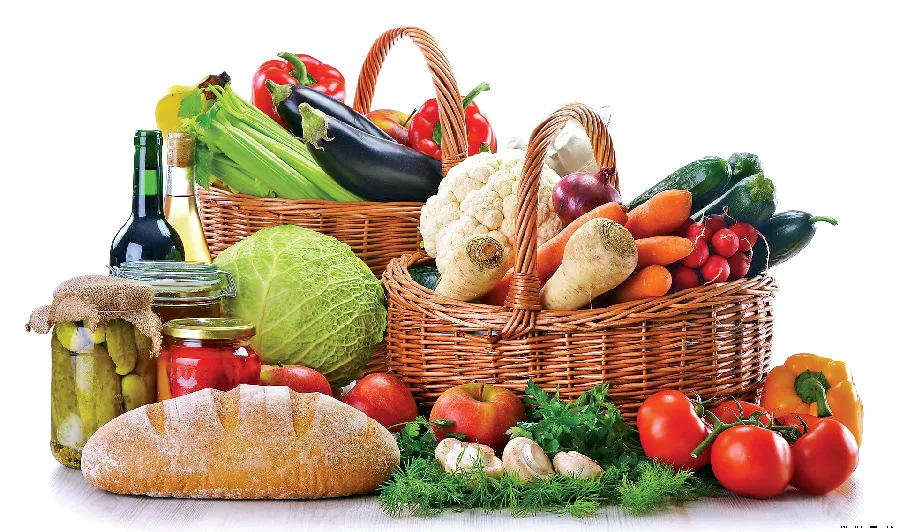
Vitamin A prevents night blindness and protects the body from certain infections. During pregnancy, the future baby gets sufficient vitamin A nutrition through breast feeding by consuming foods rich in vitamin A.
● The future mother should consume green leafy vegetables daily for sufficient nutrition. These are a good source of vitamins, minerals and fiber. Regular consumption of some raw vegetables like radish, carrot, tomato, turnip, cucumber is essential.
● Nutritional value increases by using flour with bran for making roti. While making rice, only that much water should be included in it so that extra water does not have to be removed in the form of starch. Even then, if extra water has to be removed in the form of starch, then it can be used in kneading dal-sabzi or roti.
● Keep milk and milk products in a cool place. Being rich in protein and calcium, these are beneficial in removing physical disorders.
● Soybean, beans, pulses are good sources of protein. If they are sprouted before eating, the vitamins and nutrients increase.
● Fruits and vegetables should be used immediately after cutting, this keeps the nutrition intact. Use as little water as possible while cooking vegetables, this way the vitamins of the vegetables dissolve in water. Do not throw away the excess water, it can be used in the form of soup. The outer hard surface of cabbage, carrot, radish contains vitamins, these can be used to make healthy soup.
● A combination of main foods and supporting foods like cereals, dal-rice, idli, khichdi etc. is more nutritious. These can be consumed by pregnant women several times a day.
● Avoid unhealthy products like canned food or preserved food, vitamin supplements, sweets, soft drinks, soda. Only by following all these things during pregnancy, 'a healthy mother will be able to give birth to healthy children.'
Now the question arises that
What should be the diet of our children!
The basic elements of children's diet are the same as those of adults which include vitamins, carbohydrates, minerals, proteins, fats. Growing children require different amounts of nutrients at different ages-
● Encourage growing children to eat fat-free or low-fat dairy products such as milk, curd, buttermilk, cheese, etc. Their diet should include energy-giving whole grains, sprouted pulses or fiber-rich foods such as wheat roti, dalia, halwa, idli, kheer, poha, pasta, corn grains or shasti rice, beans, soya products, peas, seeds, etc.
● Encourage children to eat a variety of fresh or dry fruits instead of fruit juices. Include sprouted grains, peanuts soaked overnight, almonds, raisins, etc. in it.
● If you give juice to your child, make sure that it does not contain added sugar. Canned or preserved juices should always be avoided. Remember that a quarter cup of dried fruits is equal to one cup of fresh fruits.
● Various colourful vegetables like green cabbage, carrots, capsicum, beans, peas etc. should be given.
● Parents should spend money on nutritious elements instead of canned or packaged food, vitamin supplements, soda, soft drinks etc., then their children will be more healthy. Green vegetables, fruits, sprouted grains, dry fruits, fruit juice, vegetable soup, honey, jaggery etc. are the best food options.
● Awareness about health and good habits should be inculcated in children by parents from childhood. These habits promote good education, meditation, yoga-exercise, overall development. Here the advice for parents is that they should love their children a lot, but give them nutritious home-made food.
Now let's talk about the nutritional requirements of the elderly!
The elderly should avoid consuming high-calorie foods. Their diet should contain a balanced diet of fruits and vegetables, whole grains, pulses, fat-free milk products, rice, khichdi, sweet-salty porridge, idli, soft fruits, fresh fruit juices, etc. Food should be easily digestible as well as cooked well so that the digestive capacity is not affected. To keep the muscles healthy, it is beneficial to consume high protein, be it pulses, cereals, soya, good amount of curd or beans, regularly.
The diet of growing children should include energy-giving whole grains, sprouted pulses or fibre-rich foods like wheat roti, dalia, halwa, idli, kheer, poha, pasta, corn grains or shashti rice, beans, soy products, peas, seeds, etc. |
The elderly can take foods rich in omega-3s such as nuts, vegetable oils, green leafy vegetables, etc. They have anti-inflammatory properties, reduce the risk of cholesterol and heart diseases and increase memory.
Calcium supplementation is necessary to avoid bone diseases in old age. For this, cereals and root vegetables are good sources of carbohydrates which are beneficial in increasing immunity.
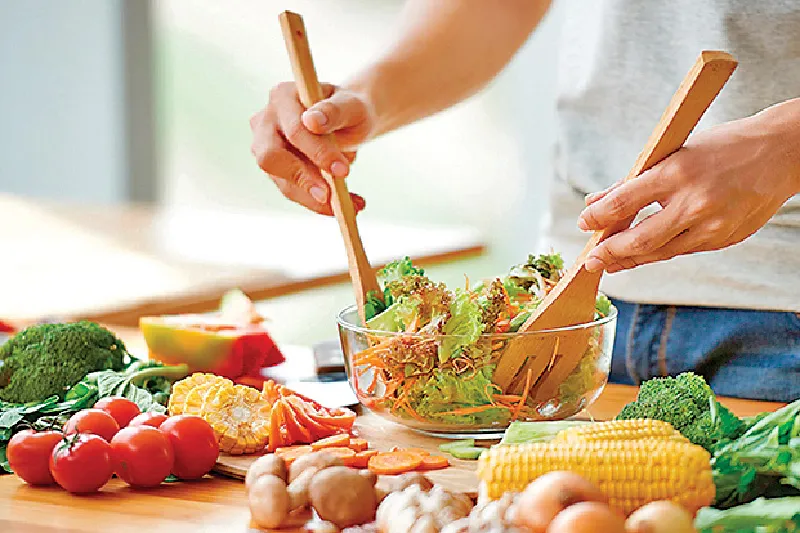
Milk products increase vitamin B12 which helps in keeping nerve cells healthy and digestion. Fat-free milk is beneficial for protecting the bones and teeth of the elderly. They should consume ghee-oil, butter, dates, raisins, nuts and dried fruits in small quantities.
Fresh fruits, leafy vegetables, milk, vitamins, minerals are good sources of antioxidants. Although, they are required in small quantities, but nowadays nutritionists advise the elderly to consume them more because they are useful in fighting diseases like diabetes, obesity, cancer, stroke and improve the sleep cycle of the elderly.
Apart from this, some food items prevent diseases like diabetes-blood pressure. Junk food contains high amounts of salt, sugar, oil-fat etc. which causes diseases like obesity and high blood pressure. Therefore, the elderly should always avoid canned food or junk food.
Our approach towards health should be full of 'My health, my right'. We should consume as much food items as possible according to our nature, availability and habits at all ages and stages. We should also understand that some items are tempting symbols, they also cost a lot, a price which is very difficult to pay. Therefore, we should avoid tempting temptations. Our diet should be such that it contains all the nutritious elements and is like medicine for health. Therefore, we should include balanced nutrients in our food plate and wish for a simple, easy and beautiful life. It has also been said - 'Health is beauty and fitness is its key.'
Finally, we conclude the topic with this quote that 'diet should be your medicine, and medicine should be your diet!'
लेखक
Advertisment
Latest News
01 Jan 2025 17:59:59
India of our dreams 1. Become a true Sanatani All of us, the descendants of Rishis and Rishikas, should follow,...
.jpg)


.jpg)